Spain is a country bursting with color, culture, and vibrant traditions that have been celebrated for centuries. If you’re a traveler seeking unforgettable experiences, participating in traditional Spanish festivals should be at the top of your bucket list. These festivals are more than just events; they are living celebrations of Spain’s rich history, diverse regions, and unique customs. From fiery Fire Festivals to lively parades and centuries-old rituals, exploring Spain’s festivals offers a glimpse into the soul of the nation. Join us as we delve into some of the most captivating traditional Spanish festivals you have to experience once in a lifetime.
The Charm of Spanish Festivals: An Overview
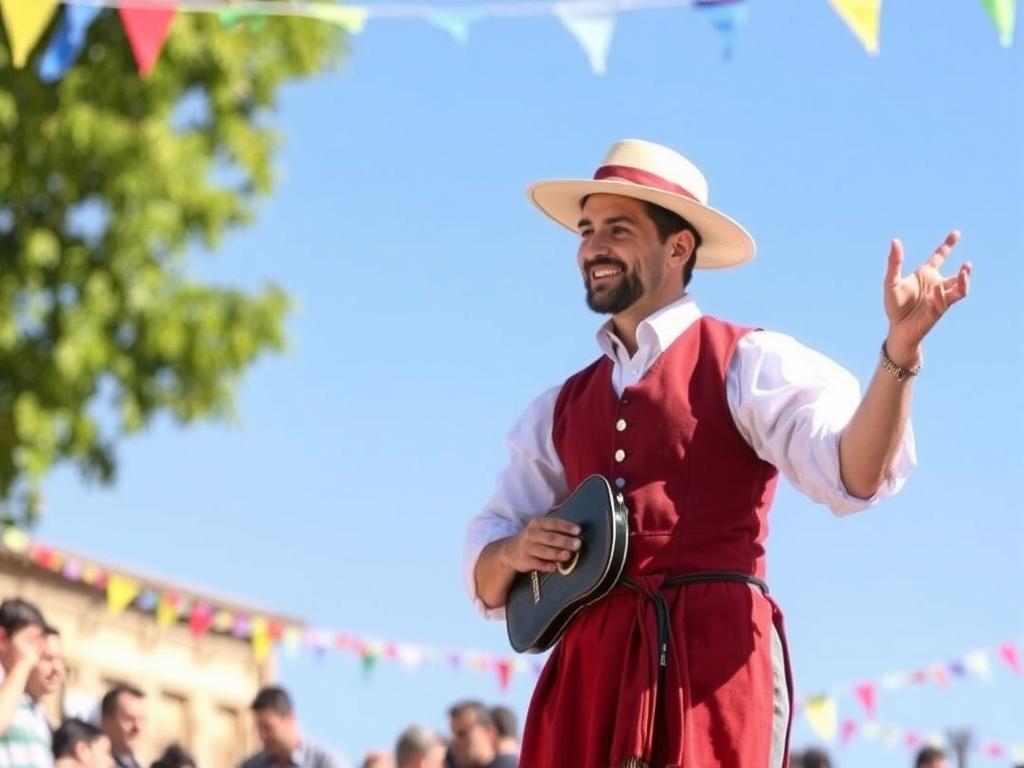
Spain is renowned for its cultural festivals that often involve music, dance, street parades, and elaborate rituals. These events serve to honor saints, celebrate seasons, or simply bring communities together in joyful revelry. What makes Spanish festivals stand out is their passionate display of regional identity and historical significance. Many festivals are deeply rooted in local legends or religious traditions, adding layers of meaning to the festivities.
Whether you are interested in the fiery chaos of a Running of the Bulls or the colorful spectacle of a flamenco fiesta, these festivals are renowned worldwide for their lively spirit and unique customs. As you explore these vibrant celebrations, you’ll discover that attending a traditional Spanish festival is not just about observing but actively participating in centuries-old customs.
Top Traditional Spanish Festivals You Must Experience
Below are some of the most iconic and captivating festivals across Spain that promise to leave an indelible mark on your travel memories. Each festival offers a unique window into Spanish culture and history.
1. La Feria de Sevilla (Seville Fair)
The Feria de Sevilla is one of Spain’s most famous festivals, held annually in the city of Seville. This week-long celebration takes place in April, marking the arrival of spring with vibrant lights, traditional dresses, and spirited flamenco dancing. The streets fill with casetas (decorated tents) where locals and visitors alike enjoy singing, dancing, and sampling delicious Andalusian cuisine.
During the festival, visitors can experience traditional flamenco shows, horse-drawn carriage rides, and craft markets. The Feria encapsulates Andalusian culture, showcasing regional music, dance, and colorful costumes. It’s a fantastic opportunity to immerse yourself in local traditions and enjoy the lively atmosphere that defines Spanish celebrations.
2. La Tomatina (The Tomato Fight)
Held annually in the town of Buñol, La Tomatina is arguably Spain’s most famous food fight. Every August, thousands gather for a massive tomato-throwing event that transforms the street into a sea of red pulp. The event started as a local protest and has grown into a global phenomenon.
Participants wear goggles and old clothes, and after a series of preliminary arrivals, a huge truck dumps loads of ripe tomatoes into the streets, fueling the chaos. The fight lasts about an hour, with participants hurling tomatoes at each other in a messy, fun spectacle. It’s an exuberant event that captures the playful side of Spanish culture and offers a one-of-a-kind experience for thrill-seekers.
3. Running of the Bulls (San Fermín Festival)
Held every July in Pamplona, the San Fermín Festival features the legendary running of the bulls. This adrenaline-pumping event attracts thousands of visitors from around the world eager to dash alongside bullocks through the narrow streets of Pamplona. The tradition dates back centuries and is infused with a sense of daring and celebration.
The festival also includes lively street parties, traditional music, fireworks, and religious processions honoring San Fermín, the patron saint of Pamplona. Participating in the running is a unique adrenaline rush, but even if you choose to watch safely from the sidelines, the electrifying atmosphere is undeniable. This festival embodies a blend of thrill, tradition, and community spirit.
4. Fallas de Valencia
Every March, the city of Valencia hosts the Fallas, a spectacular festival famous for its enormous papier-mâché sculptures called ‘fallas’ that are displayed throughout the city. These sculptures often satirize current events, political figures, or popular culture, and are built by skilled artisans.
The festival culminates on the night of March 19th with ‘La Cremà,’ when the fallas are set ablaze in fiery displays of pyrotechnics. The event is accompanied by fireworks, street parties, and traditional Valencian music. Visitors can enjoy regional delicacies and marvel at the intricate artistry of the fallas. The Fallas de Valencia is an impressive celebration of creativity and fiery spectacle.
5. Semana Santa (Holy Week)
Spain’s Semana Santa is a deeply religious and cultural event celebrated with solemn processions and elaborate floats portraying scenes from the Passion of Christ. Each region has its own unique traditions, but the core idea remains to observe the Holy Week through processions, music, and prayer.
Cities such as Seville, Granada, Malaga, and Valladolid are famous for their Holy Week festivities, which attract millions of visitors each year. Participants often wear traditional robes and carry religious icons through the streets. The balance of solemnity and artistic display makes Semana Santa a profound and moving experience, offering insight into Spain’s spiritual heritage.
The Authentic Experience: Engaging with Local Traditions
Attending these festivals isn’t only about observing; it’s about engaging and immersing yourself in authentic local traditions. To truly enjoy these celebrations, consider participating in some ways—try local dishes, don traditional costumes if appropriate, or join in the dance or singing sessions. Many festivals encourage visitor participation, making each experience personal and memorable.
For instance, at La Feria de Sevilla, you can wear a flamenco dress or suit; during La Tomatina, you’ll enjoy a messy, playful fight; and during Semana Santa, observing respectful participation in processions deepens your connection to local faith. Learning about the history and significance of these traditions beforehand enriches your appreciation and respect for the culture.
Practical Tips for Experiencing Spanish Festivals
To make the most of your festival experience, keep the following tips in mind:
- Plan ahead: Many festivals attract thousands, so book accommodation early.
- Learn some basic phrases in Spanish: It helps in navigating, asking questions, and showing respect.
- Dress appropriately: Some festivals require traditional clothing or modest attire, especially during religious processions.
- Stay safe: Be mindful of your surroundings, especially during large crowds or fiery displays.
- Respect local customs: Every festival has its rules—observe, participate, and enjoy responsibly.
- Bring essentials: A camera, water, comfortable shoes, and some cash will serve you well during long days of festivities.
Conclusion
Experience, immerse, and celebrate—attending traditional Spanish festivals offers a unique window into the vibrant heritage and passionate spirit of Spain. Whether you find yourself running with the bulls in Pamplona, reveling in the explosive colors of the Fallas in Valencia, or enjoying the soulful melodies of Semana Santa, these festivals create memories that last a lifetime. They are an extraordinary blend of history, religion, artistry, and community — each with its own story, traditions, and energy. Traveling to Spain for these festivals is more than a sightseeing trip; it’s an opportunity to connect with the heart of a nation that loves to celebrate life passionately and authentically. So, pack your bags, prepare to dance, cheer, and participate, because experiencing these events will undoubtedly be among the most exciting adventures you’ll ever have.